🇫🇷 France
41 days · 2,828 km · 17 places
At a glance
- Best time to go
- Spring, autumn
- Summer is probably far too hot
- Fuel
- same as Germany
- More on motorways
- Campsite per night
- €10 – 40+
- Free camping
- medium
- Harder on the coast, partly banned in the south
- Tolls up to 3.5 t
- Expensive
- €36 for under 1 hour for us
- Internet
- Mostly good
Before you go
What we would tell you first.
Don't fill up on the motorway
There is a surcharge there. Away from it, prices are about the same as in Germany.
Set your navigation to avoid tolls
We ended up on a toll road by accident and paid around €36 for less than an hour.
Don't count on free spots near the coast
The closer to the sea, the harder it gets. Wild camping is banned in some areas in the south.
What we would do differently
- Camp for free more often.
- Stay longer in one region.
- Go earlier in the year to enjoy it for longer.
What you need to know about France
🧭 Country Basics
Safety
We felt completely safe at all times. However, do pay attention to where you park — France is known for break-ins into campervans.
Local Attitudes Toward Campers
Very welcoming. The French are a camper nation themselves.
Noise & Peacefulness
Super chilled.
Cultural Highlights
The kindness of the people we met and the beauty of the country.
Language & Communication
It helps to know some basic French. The younger generation often speaks English, but we were surprised to see that even many young people still don't.
🚗 Getting Around
Road Quality & Driving Conditions
Road quality is usually excellent. Beware, however, of the narrow roads in the south of France, especially in the Provence region. Also pay attention to height and weight limitations — many roads are restricted to vehicles above 3.5t.
Toll Roads & Vignettes
We avoided toll roads like the plague, but accidentally ended up on one and paid around €36 for less than an hour's drive. Cards and cash are generally accepted.
Border Crossings
EU and Schengen, so no issues.
Police Attitude & Checks
We had no encounters with the police, but we heard they can be quite strict when it comes to parking and overnighting. Always make sure to follow the rules and park in designated areas.
🏕️ Where to Sleep
Free Camping Availability
Depending on the region there are plenty of free camping spots available. The closer you get to the coast, the more difficult it becomes to find free spots. In some areas, especially in the south, wild camping is prohibited and you might run into issues if you don't follow the rules. As always, leave a spot cleaner than you found it!
Paid Campsites
There is usually an abundance and most are of great quality, although they might seem old. We had no issues finding good quality campsites but prices vary.
Motorhome Infrastructure
Again depending on the region, but generally it's very easy to find fresh water and dump stations. Getting rid of rubbish, however, proved tricky at times.
💶 Budget & Daily Life
Groceries & Dining Out
Groceries are at the same level as in Germany, although we felt farmers markets are a bit cheaper and easier to come by. Dining out surprised us and is often cheaper than in Germany. That is if you avoid the absolute tourist hotspots, of course.
Fuel Prices
About the same level as Germany, but don't fill up on motorways — they charge a premium!
Camping Costs
Ranges from €10/night for a simple pitch to €40 and upwards for more luxurious sites.
Laundry
Every campsite we stayed at had a laundry room and prices were around €5–6 per load. We didn't try the dryers as that wasn't necessary.
Mobile Internet Quality
Connectivity is largely good. There might be the odd blind spot, but we had no real issues with roaming.
SIM Card Access
We cannot comment.
Wi-Fi Availability
Most campsites offer Wi-Fi and the quality is mostly good enough.
Water Access
Fresh water is mostly easy to come by. Some villages, however, only have wells and you might need a bottle or canister.
Dump Stations & Toilets
Most campsites have dump stations and toilets, but they may charge if you don't stay at the campsite. Many villages have free dump stations.
Shopping & Supplies
Easy.
Laundromats
Easy.
☀️ Climate & Tips
Best Time to Visit
Spring and autumn — summers are likely far too hot.
Weather Extremes
Mid-June was already approaching the high 30s and low 40s. You will need shaded spots or the means to create your own shade.
Bug/Mosquito Factor
Not a major issue, but depending on the region you can run into them to the point of being annoying.
Hidden Gems or Disappointments
Almost every tiny village holds a gem — don't ignore them. Orange was a huge disappointment.
Apps That Helped
Park4Night, Merlin to identify birds, and Windy for weather forecasts. Also Campspace and Camping-Car Park.
Local Etiquette
A simple 'Bonjour' goes a long way — the French genuinely appreciate the effort of greeting in their language. Respect quiet hours (typically 10pm to 7am) at campsites and in villages. When stopping at small villages, try to buy something local to show appreciation.
Our route
Trip stats
- 🗓️ Start: 09 May 2026
- 🗓️ End: 20 June 2026
- 🕒 Time spent: 41 days
- 🚐 Distance driven: 2,828 km
- 📍 Overnight locations: 17
Our blog posts about France
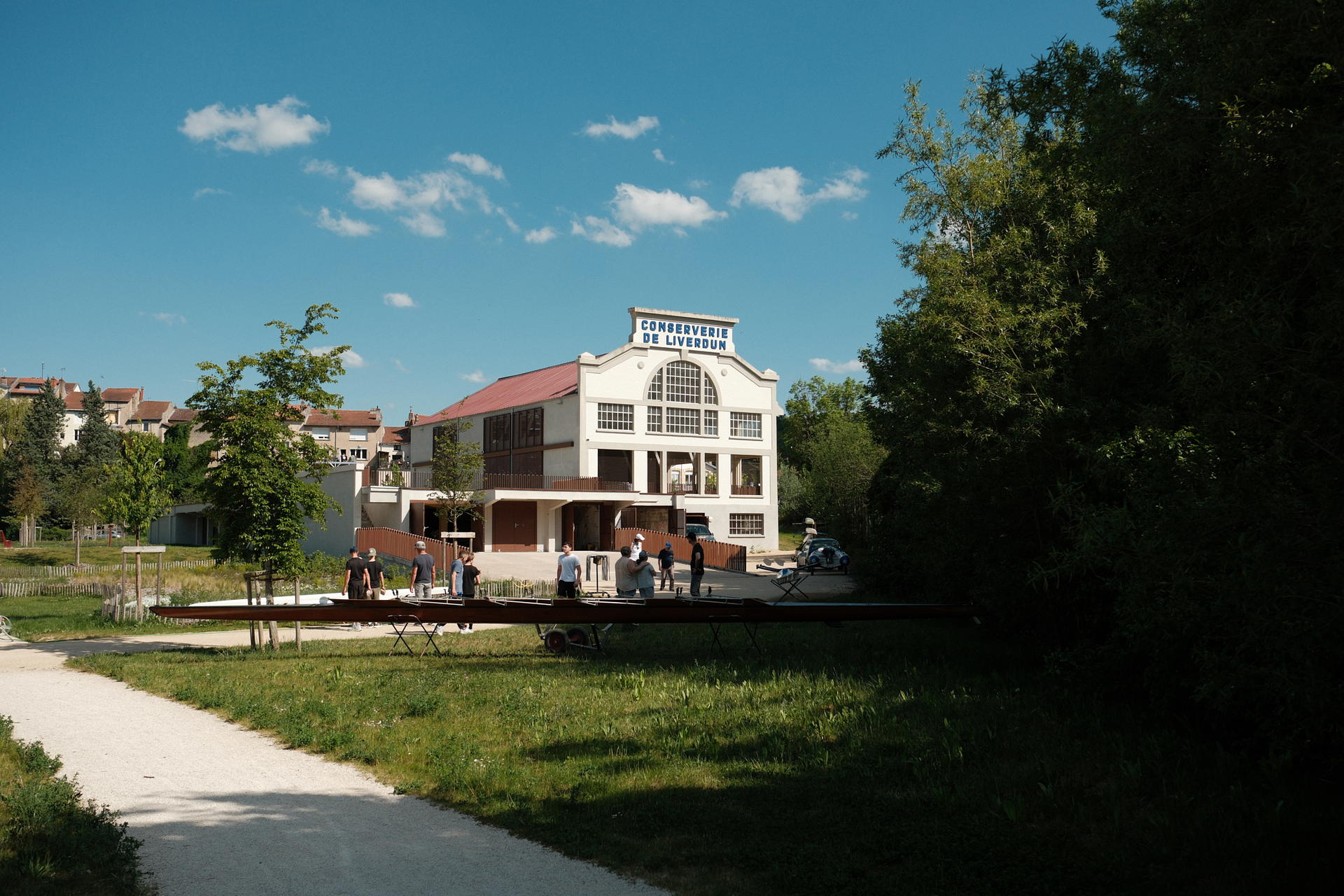
🇫🇷 Liverdun
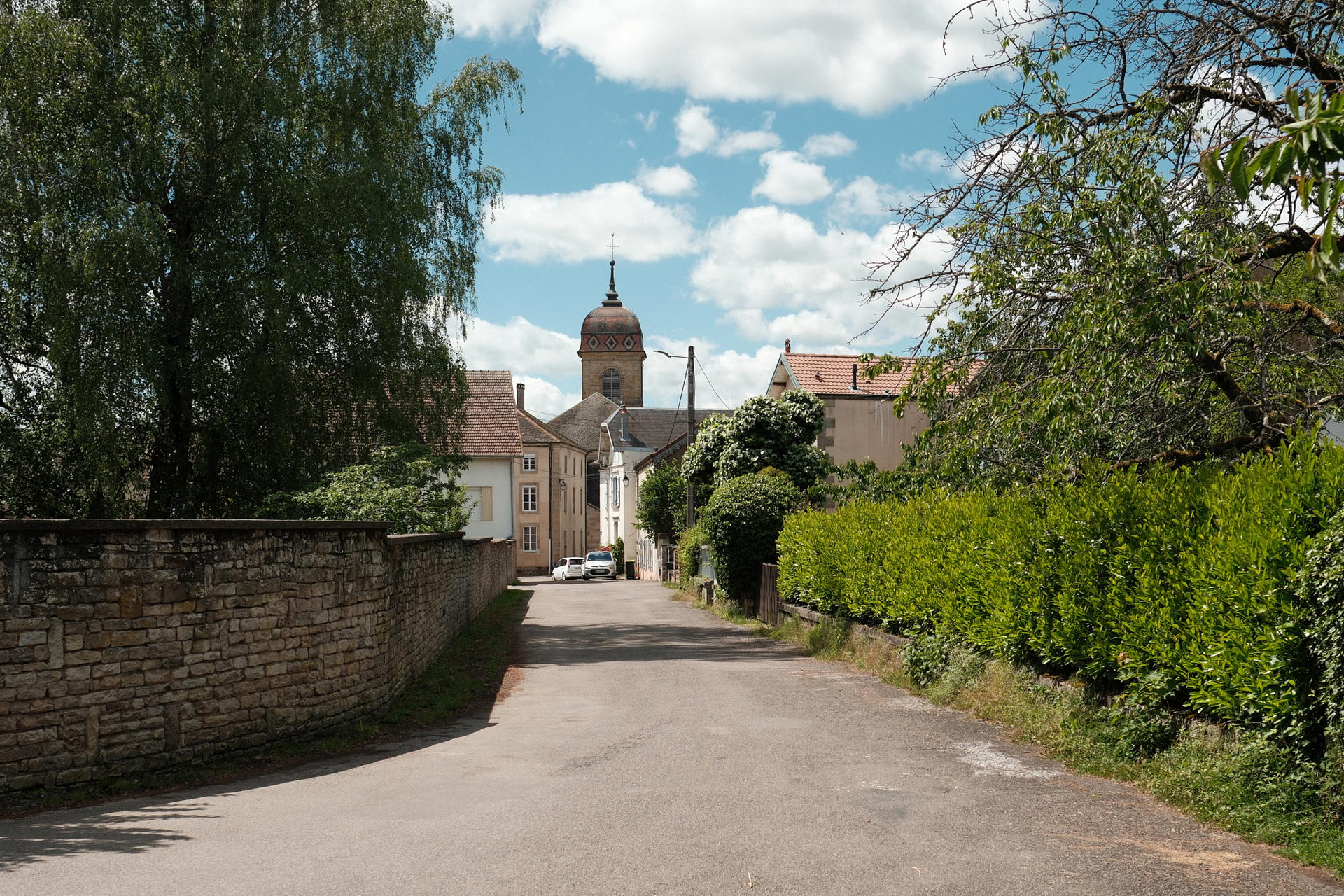
🇫🇷 Fougerolles-Saint-Valbert
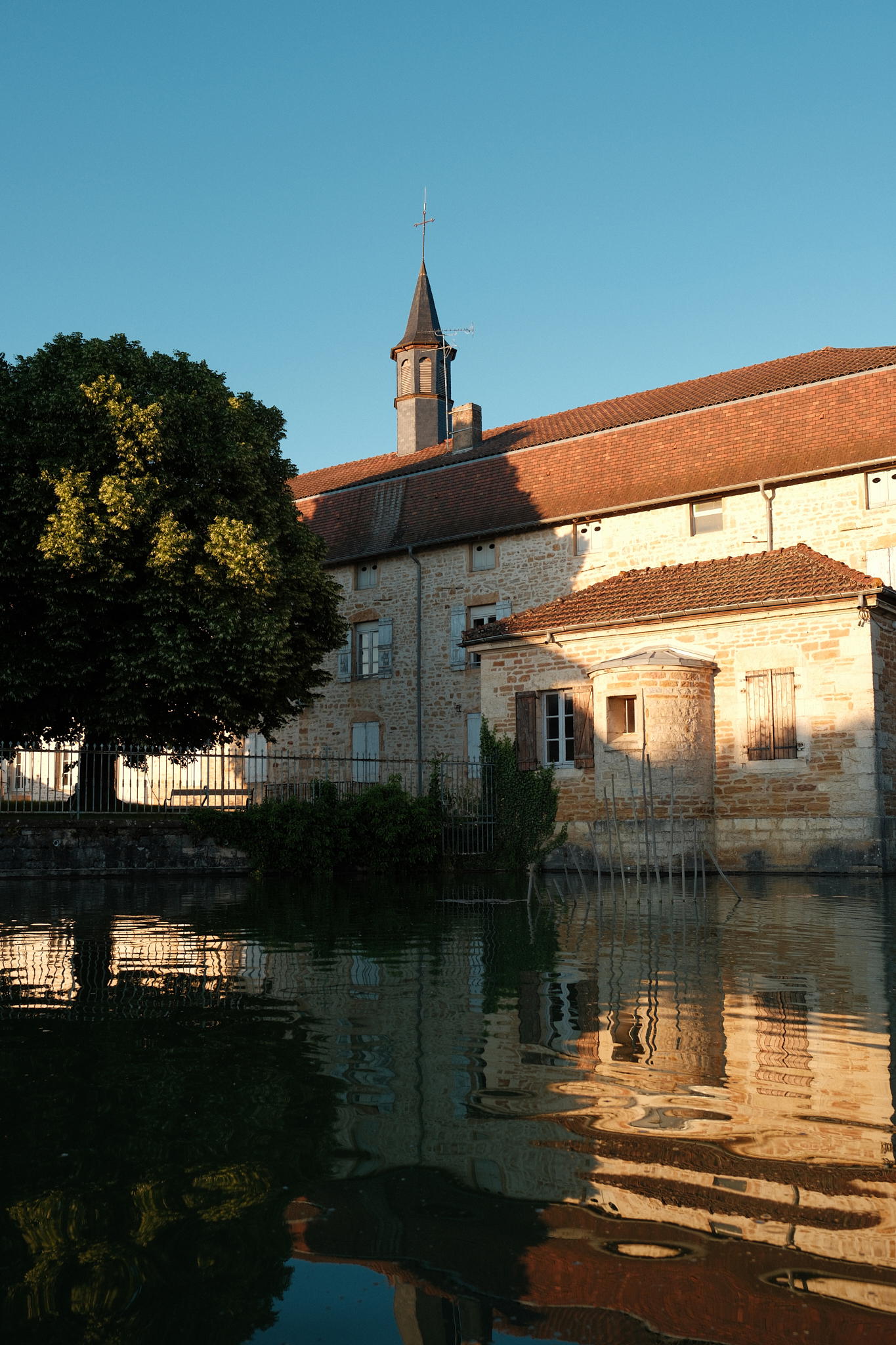
🇫🇷 Cuiseaux
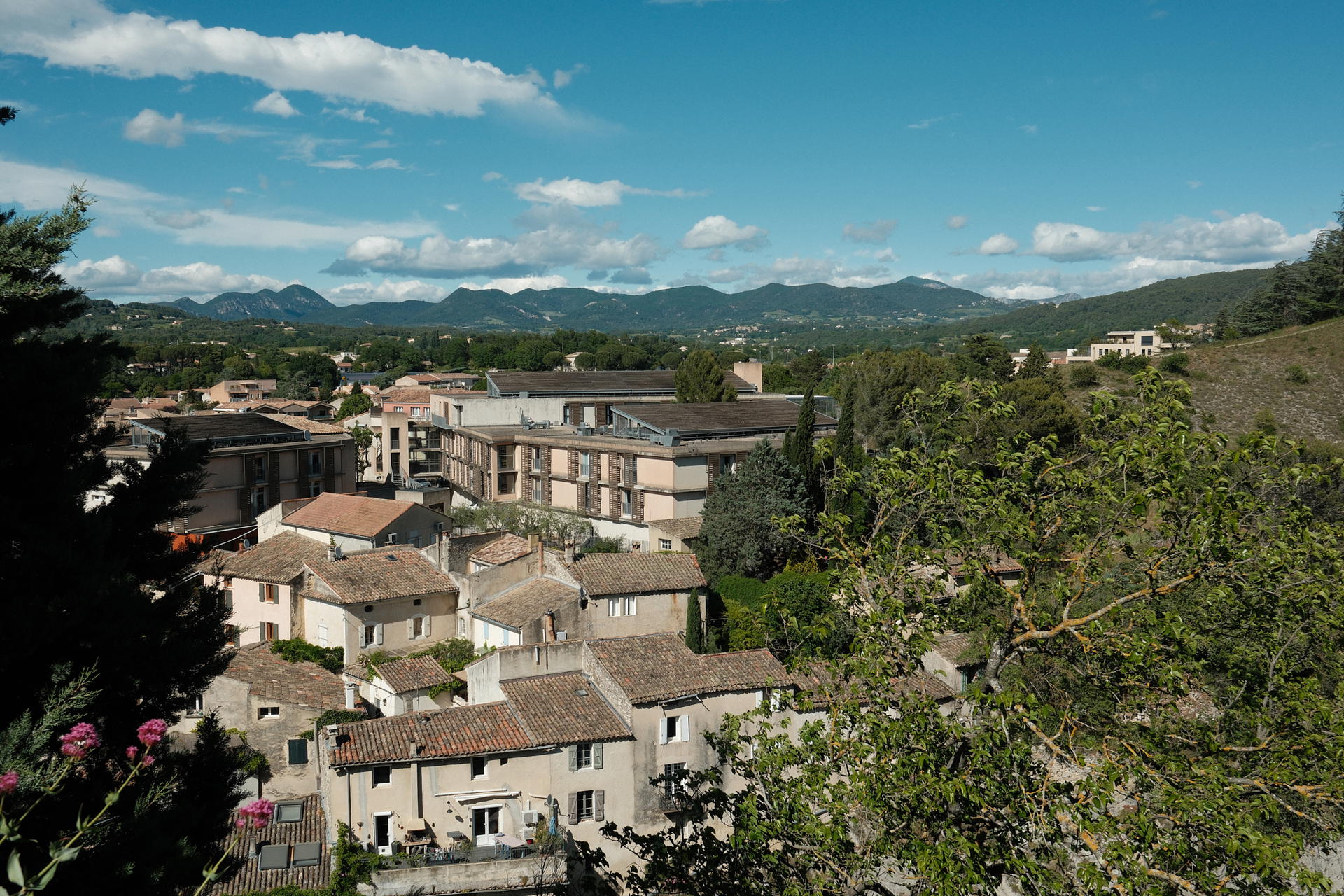
🇫🇷 Vaison-la-Romaine
Show all 20 posts
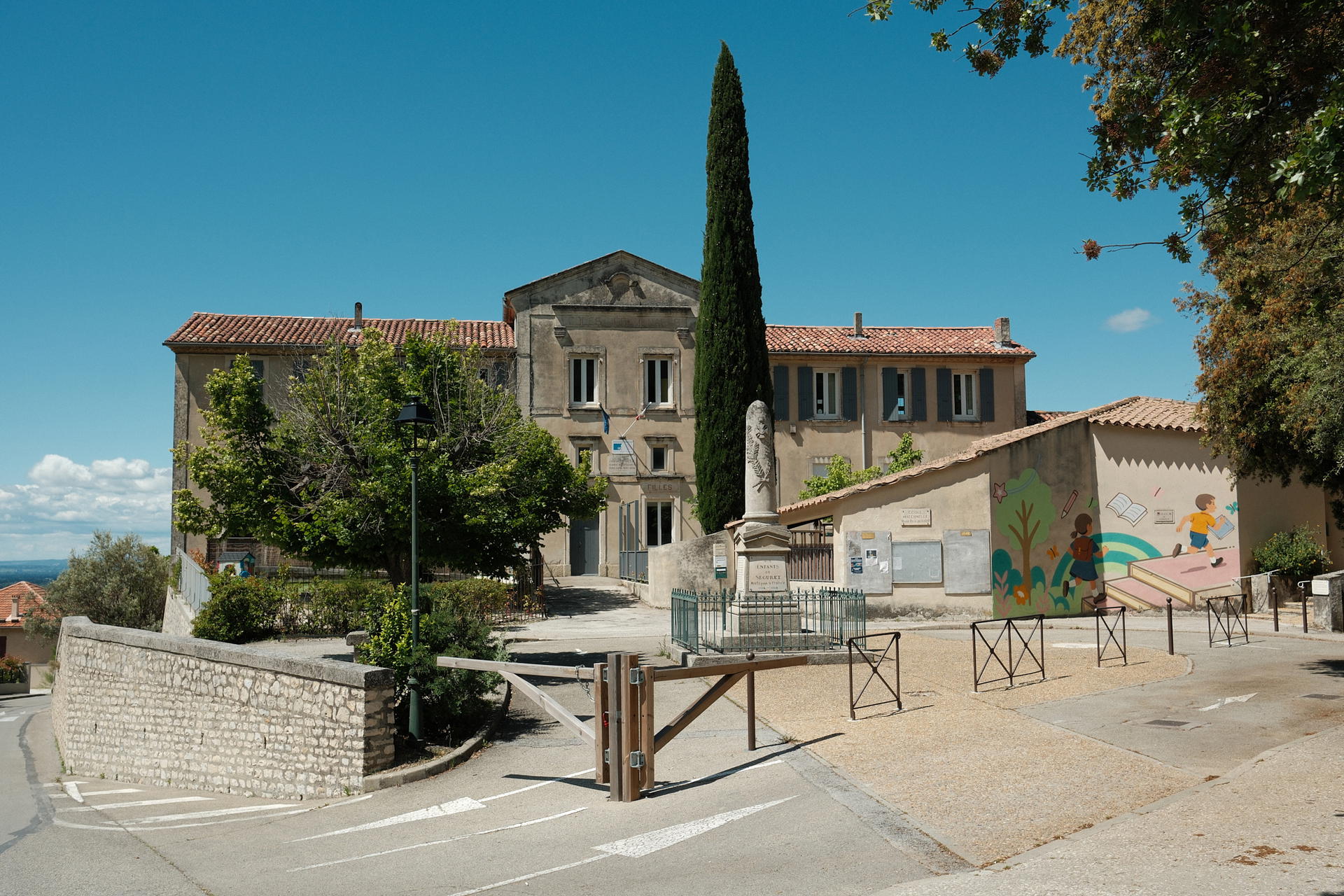
🇫🇷 Séguret & Sablet
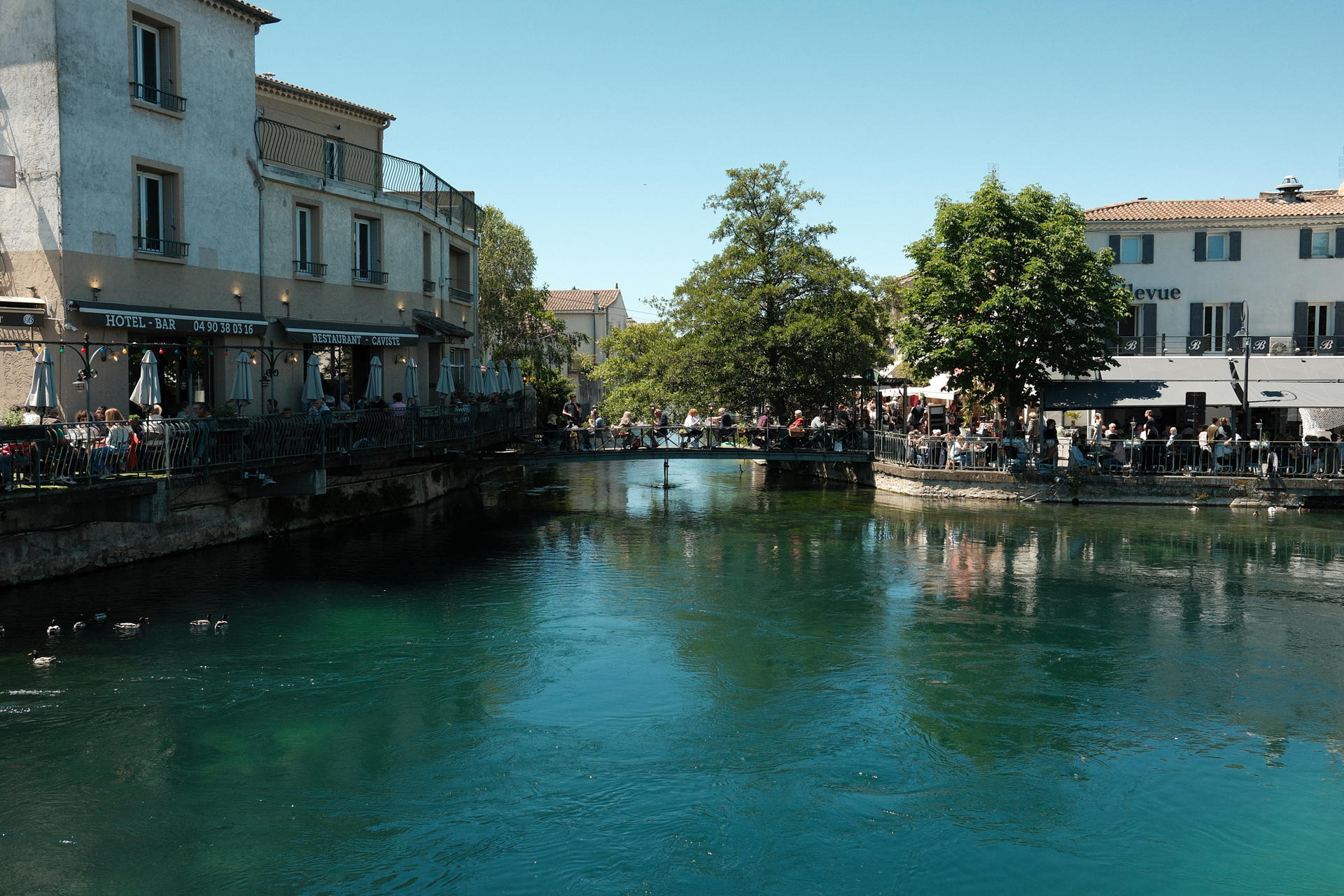
🇫🇷 L’Isle-sur-la-Sorgue
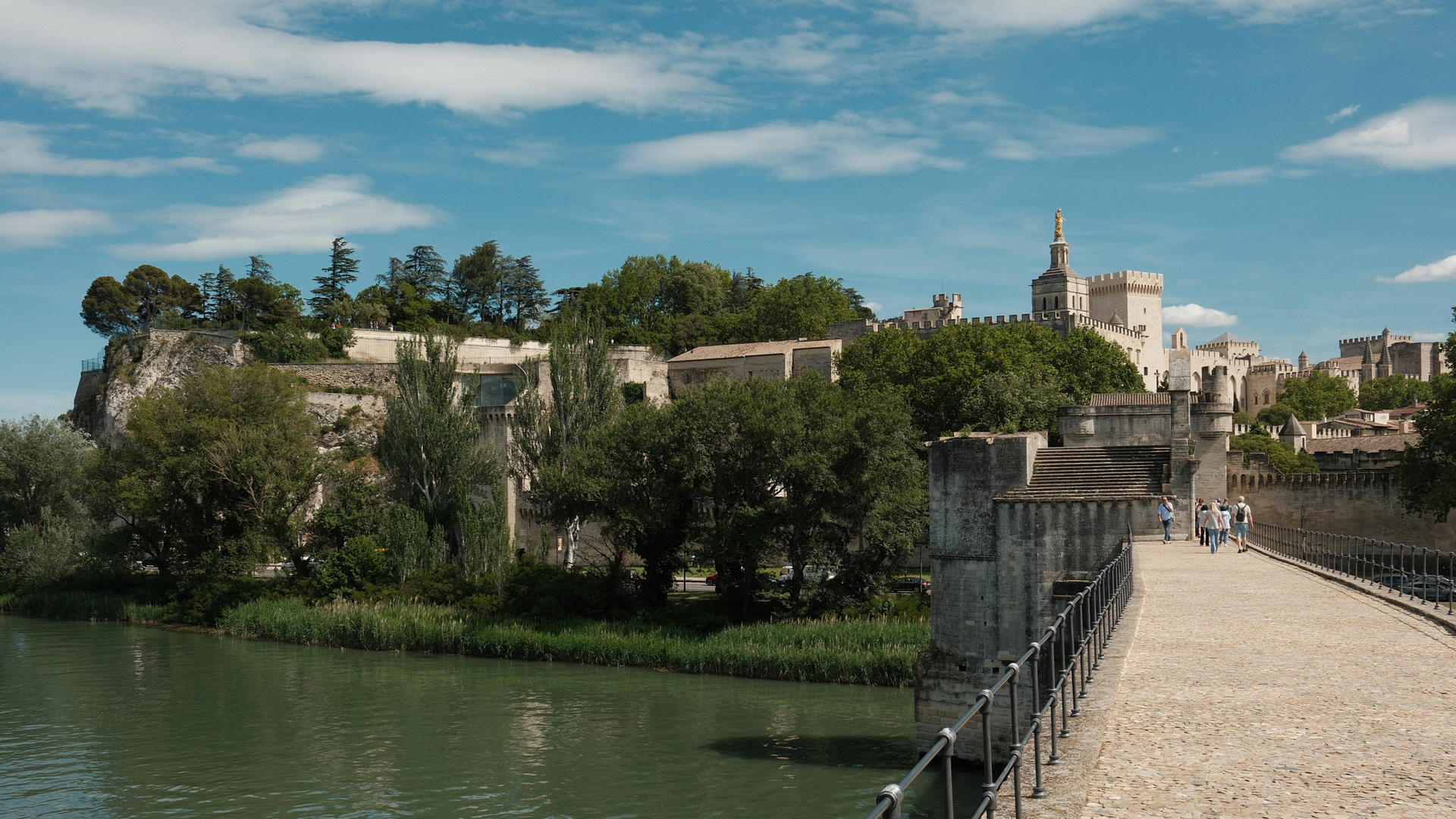
🇫🇷 Avignon
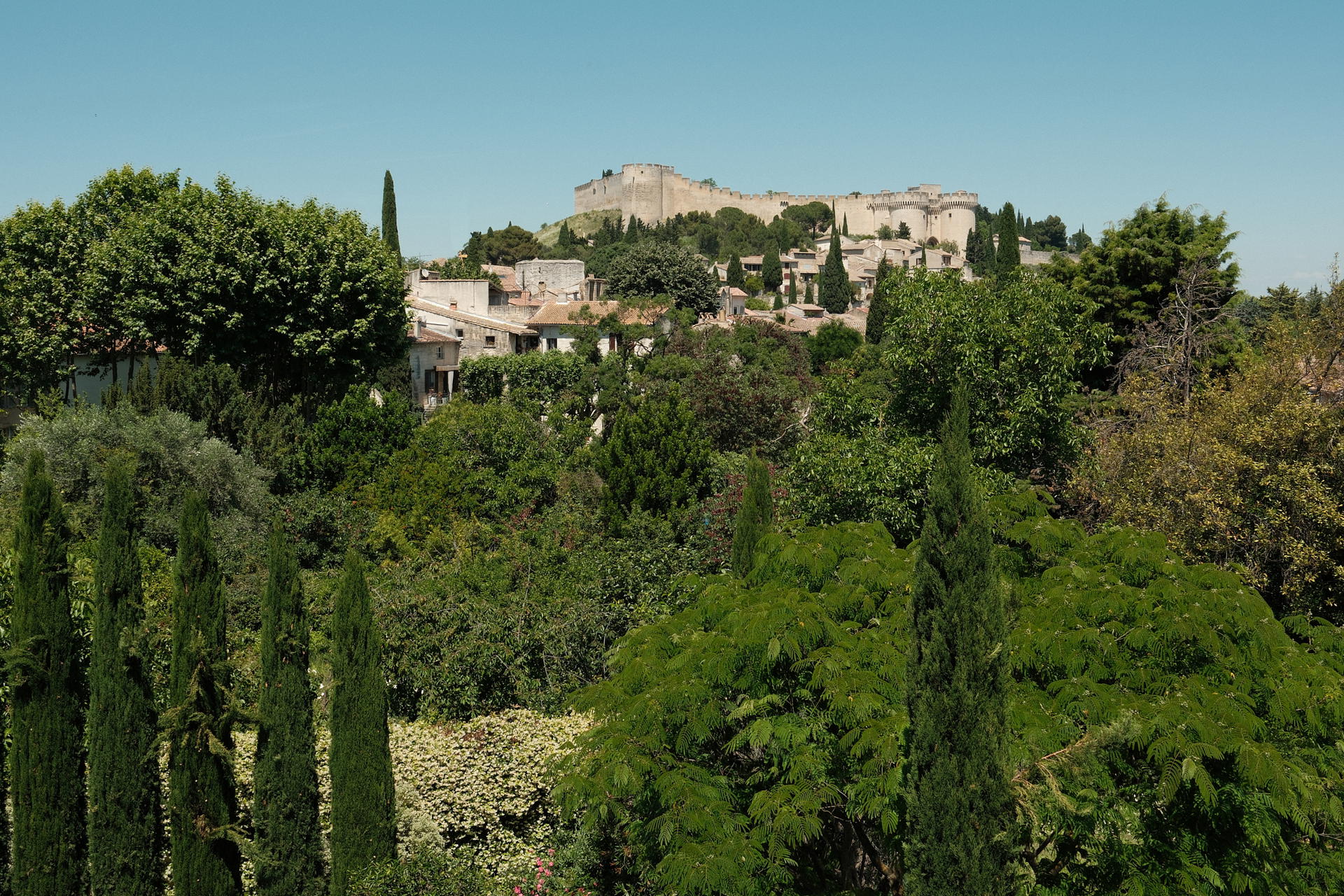
🇫🇷 Villeneuve-lès-Avignon
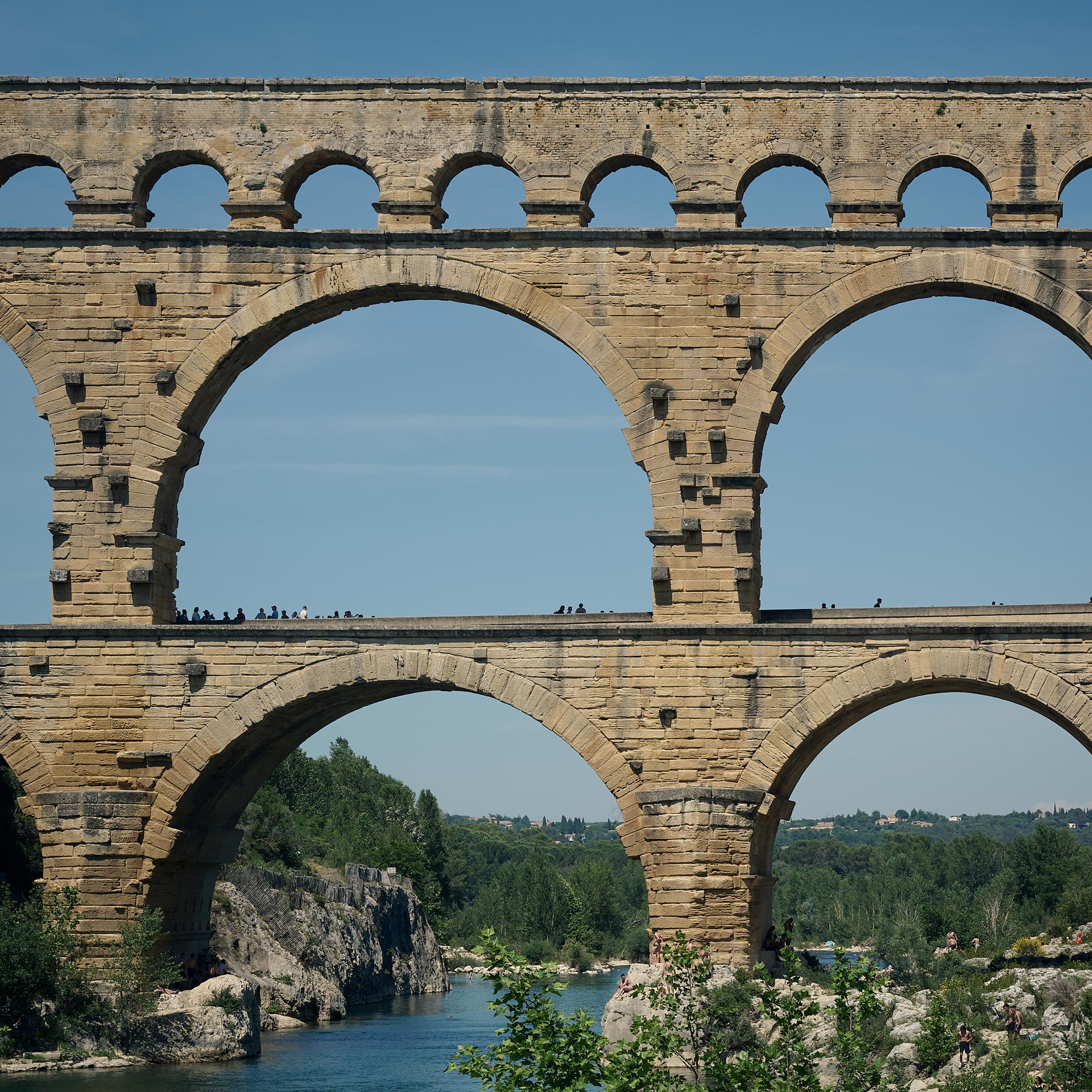
🇫🇷 Pont du Gard
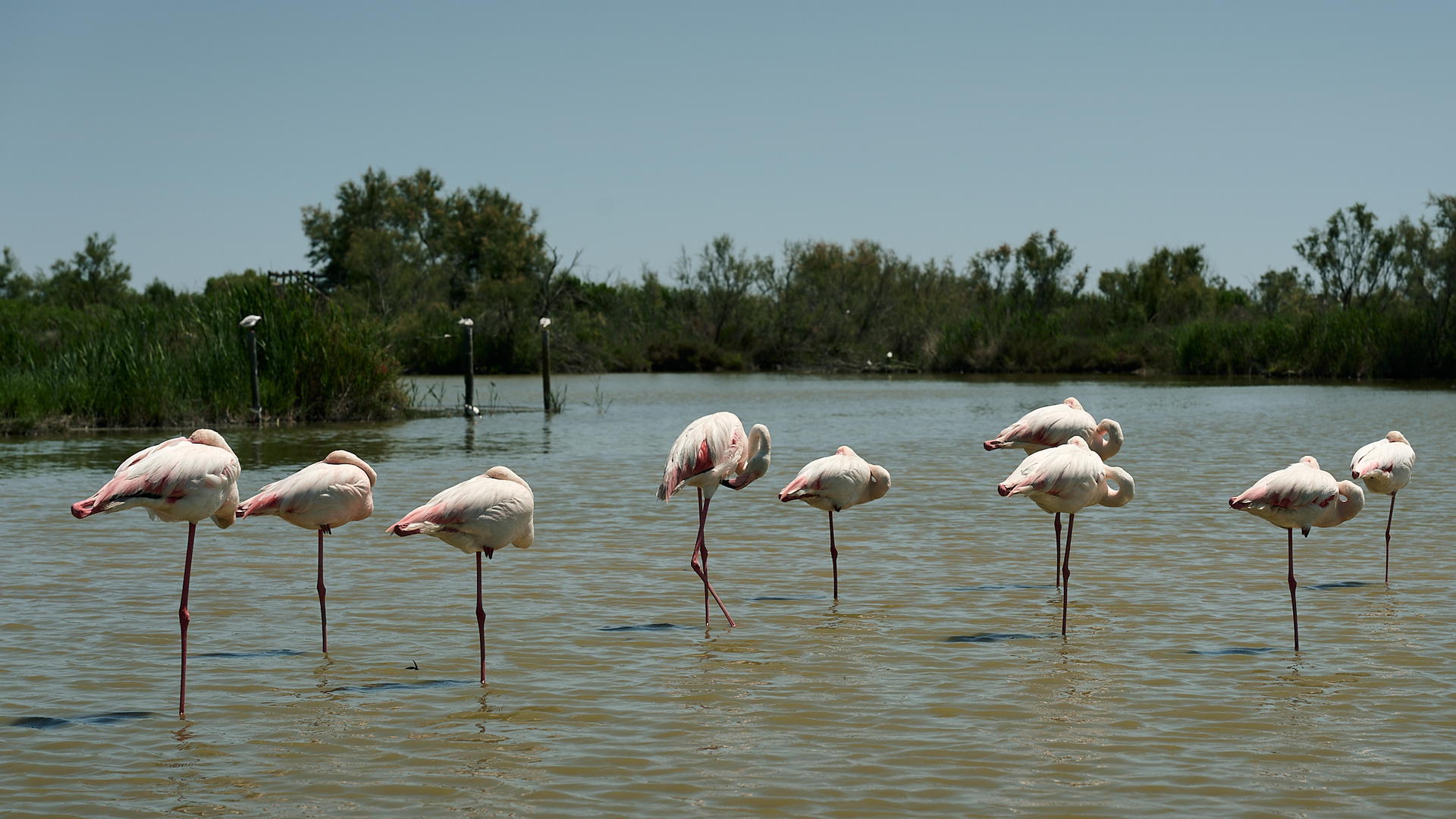
🇫🇷 Camargue
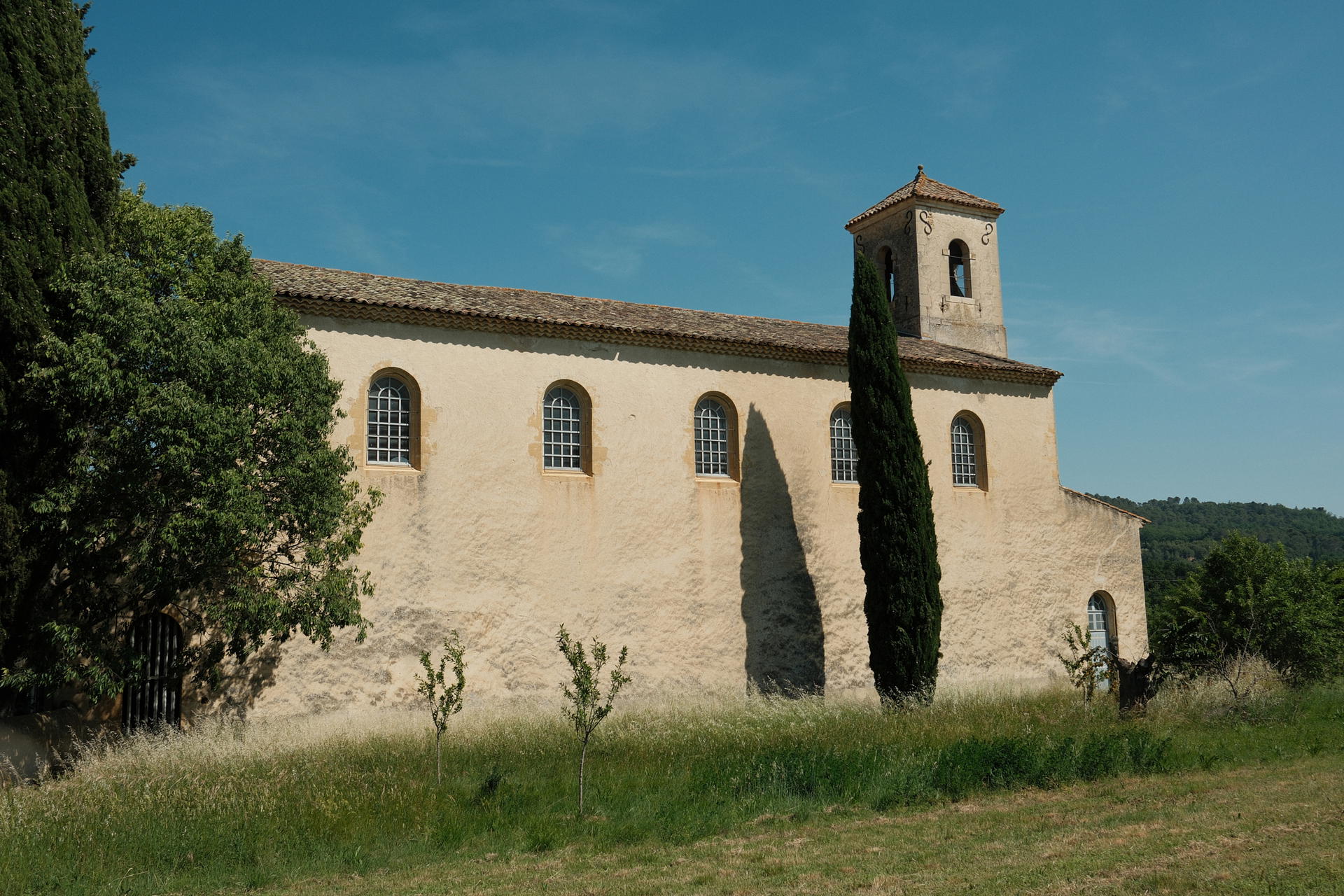
🇫🇷 Lourmarin
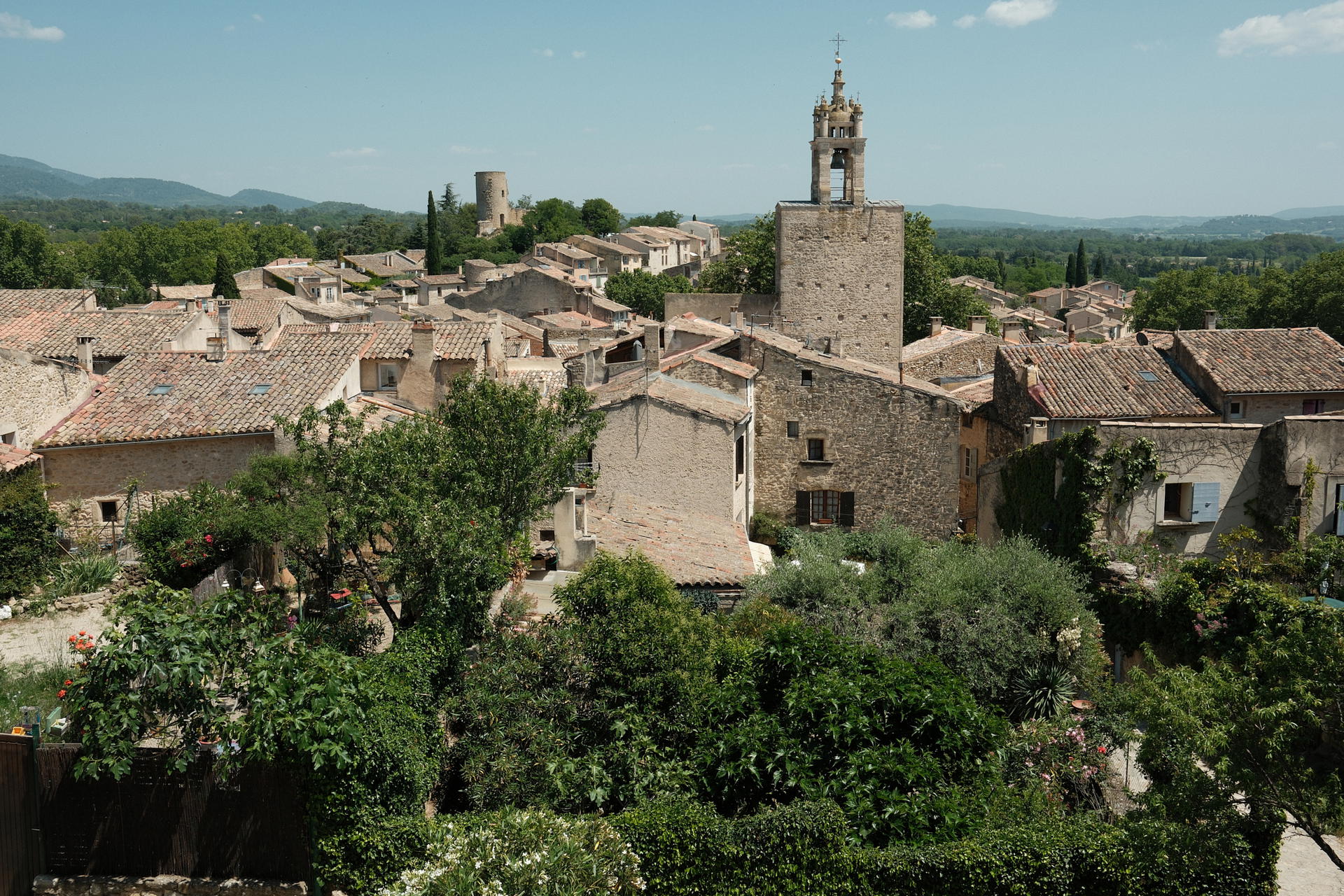
🇫🇷 Cucuron & Meyrargues
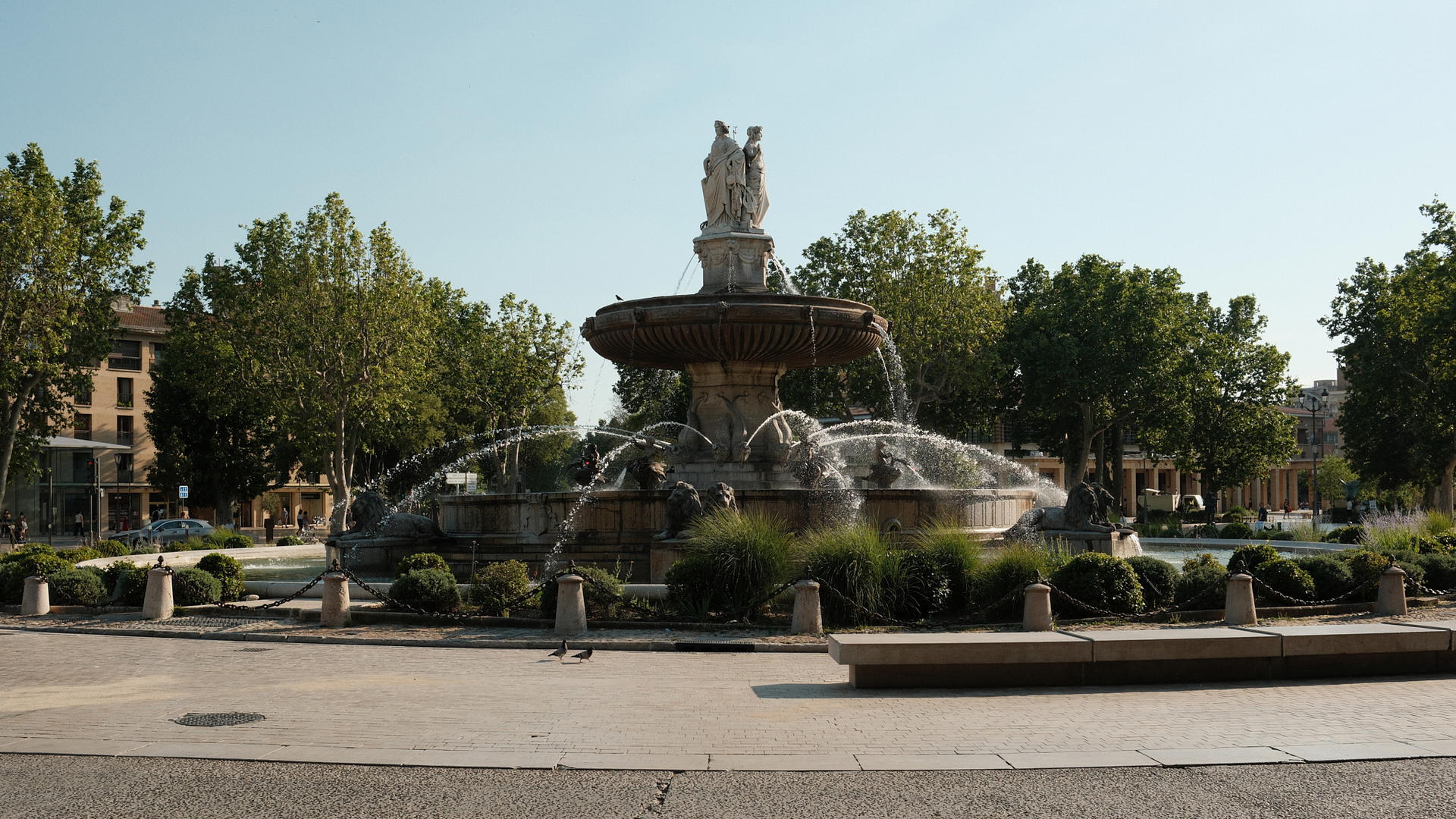
🇫🇷 Aix-en-Provence
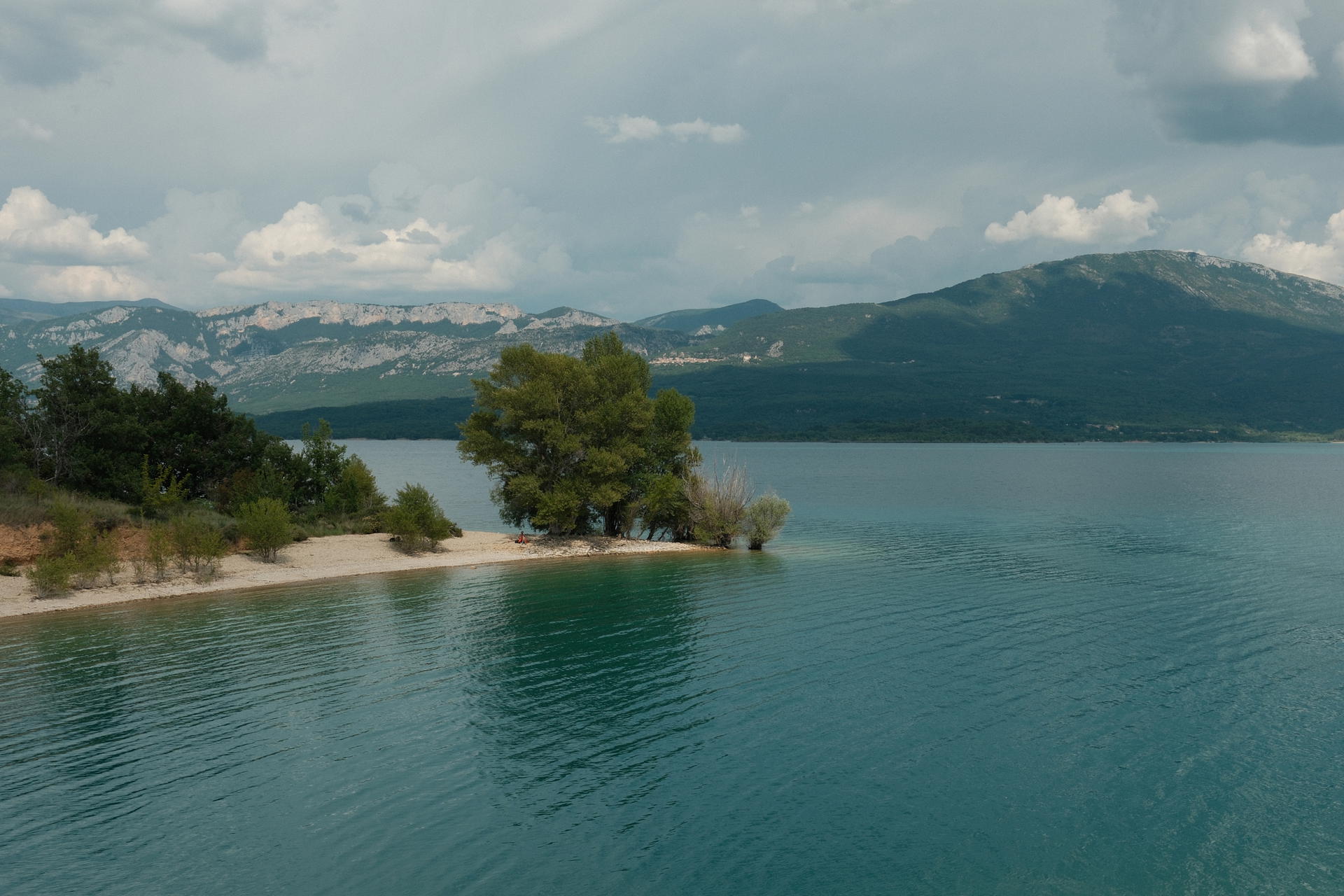
🇫🇷 Sainte-Croix-du-Verdon
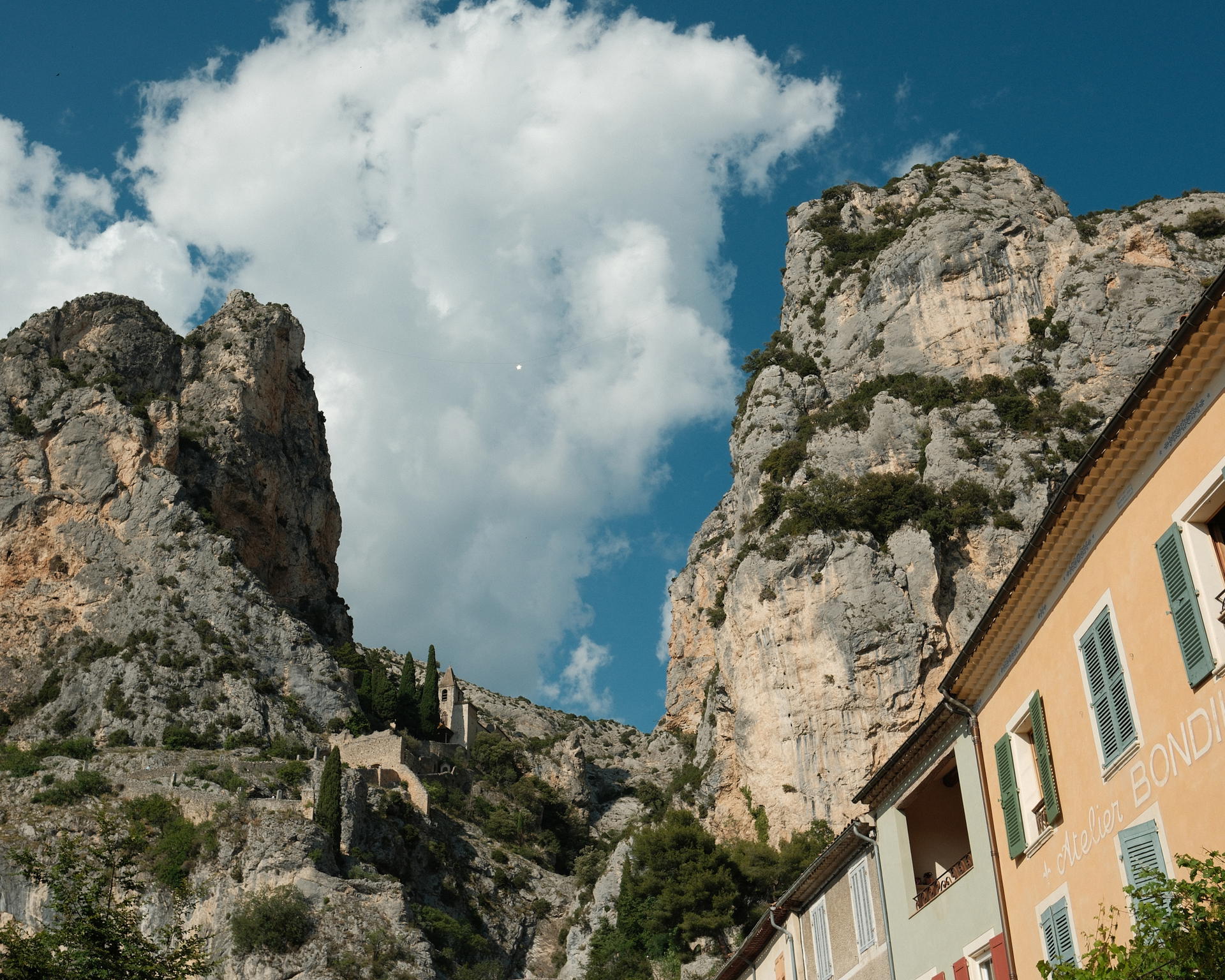
🇫🇷 Moustiers-Sainte-Marie
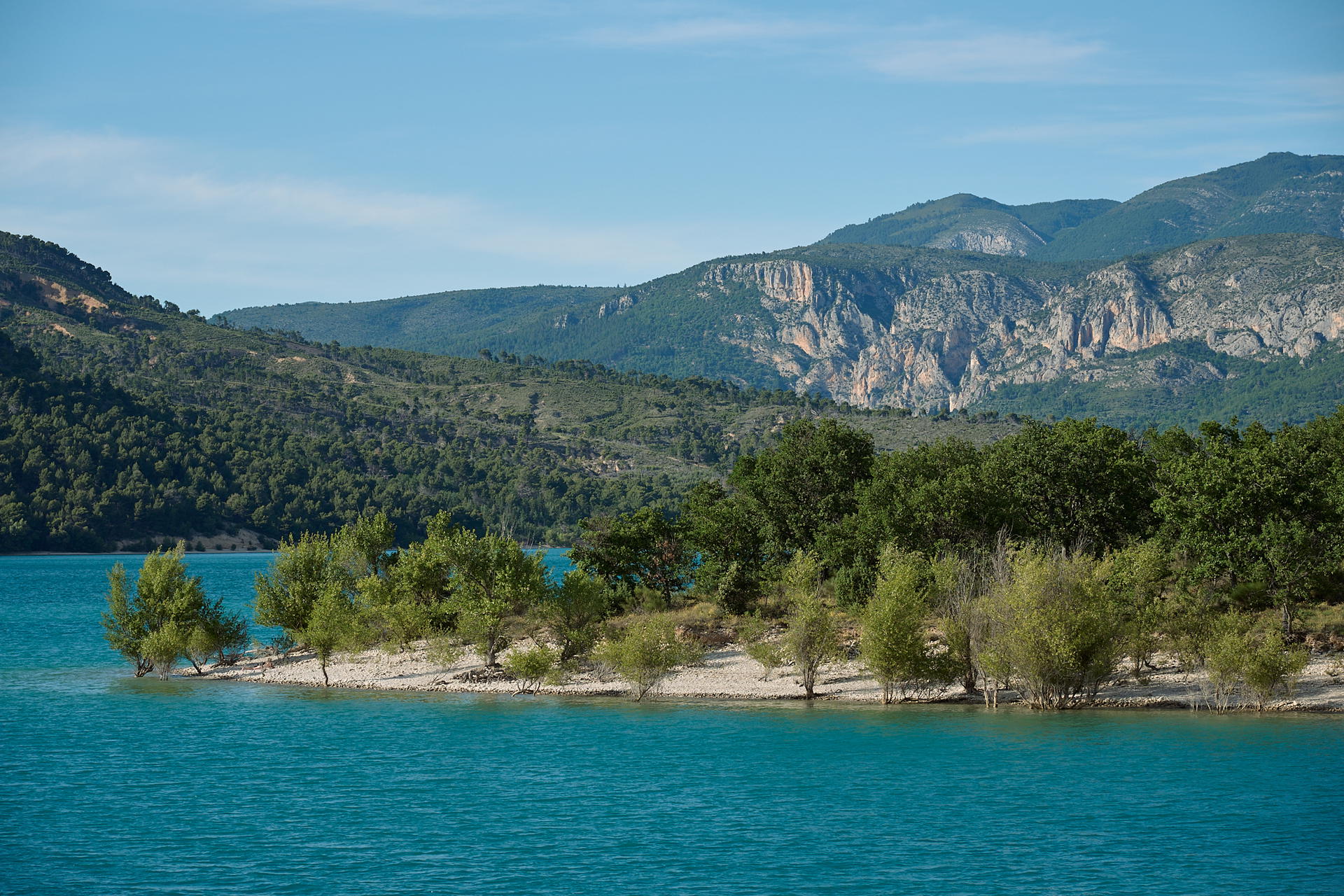
🇫🇷 Lac de Sainte-Croix & Gorges du Verdon
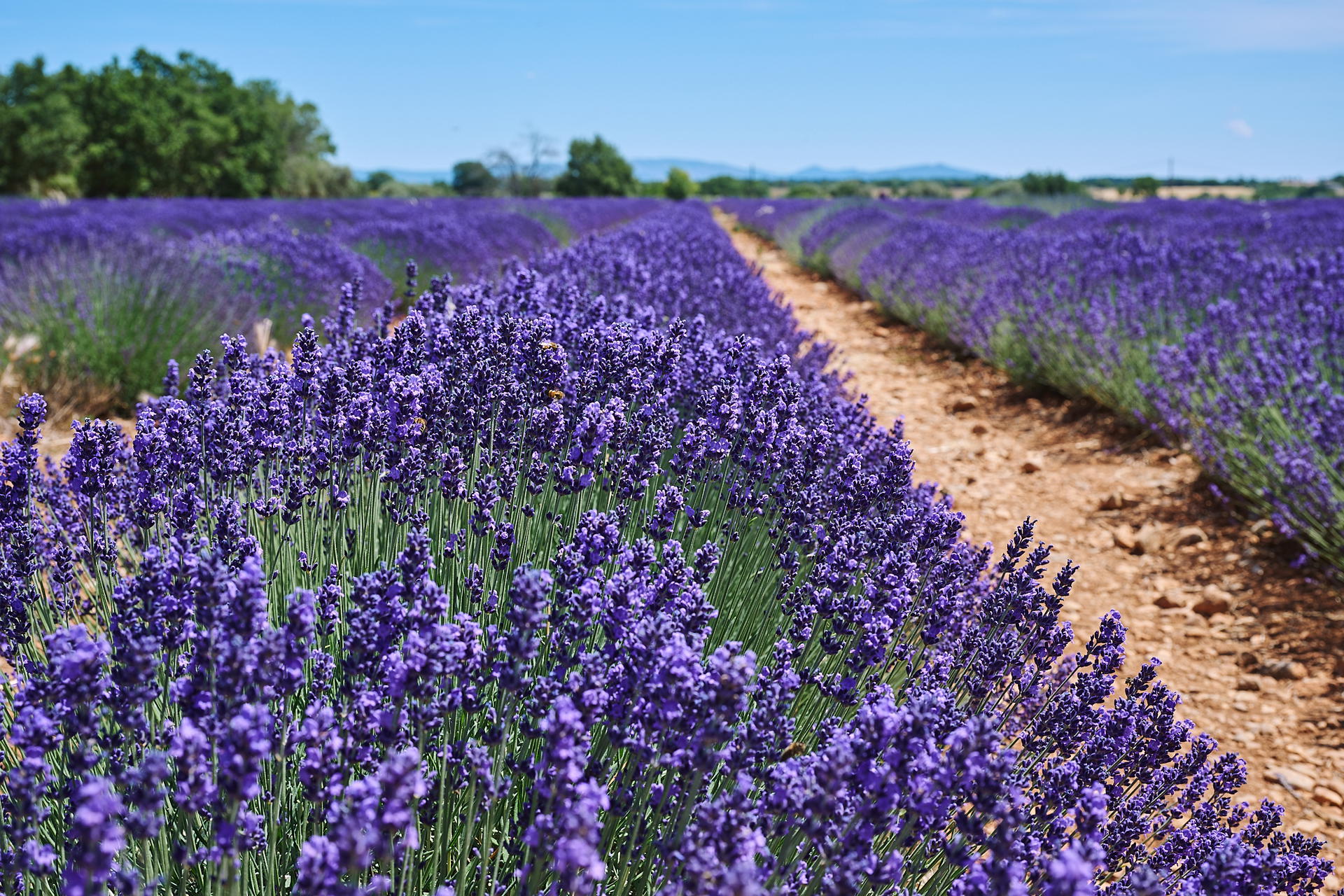
🇫🇷 Valensole
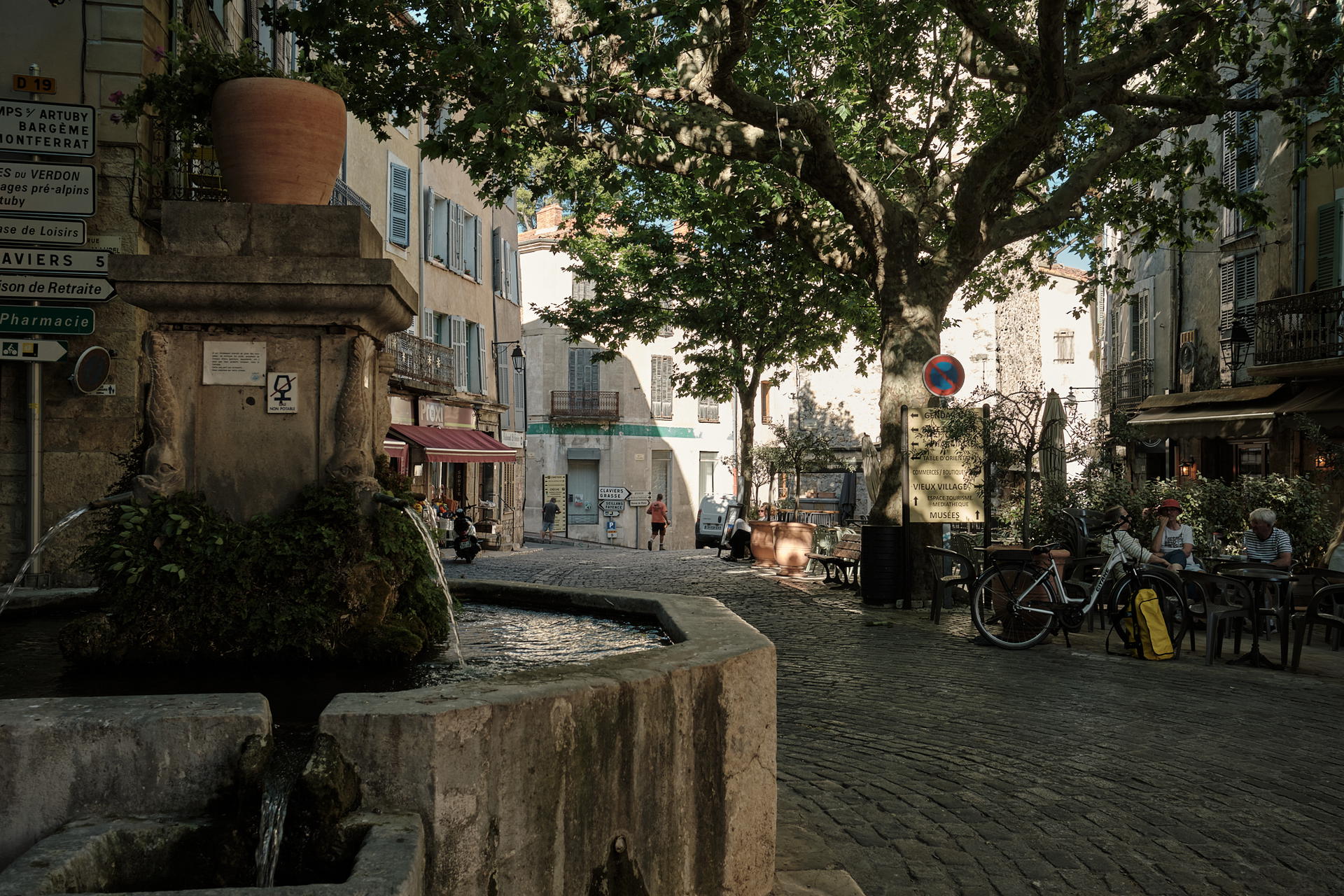
🇫🇷 Bargemon
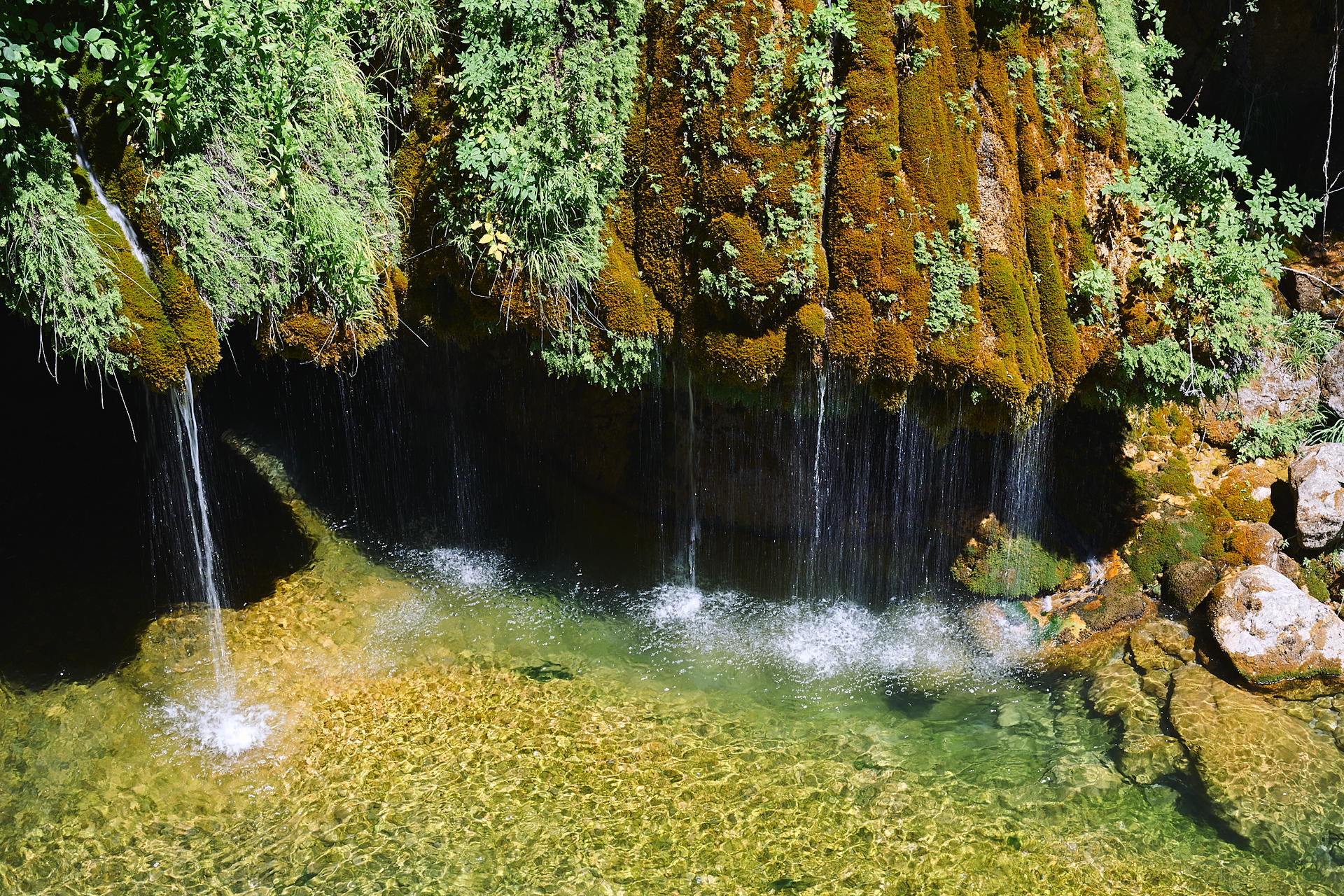
🇫🇷 Cascades du Saut du Loup
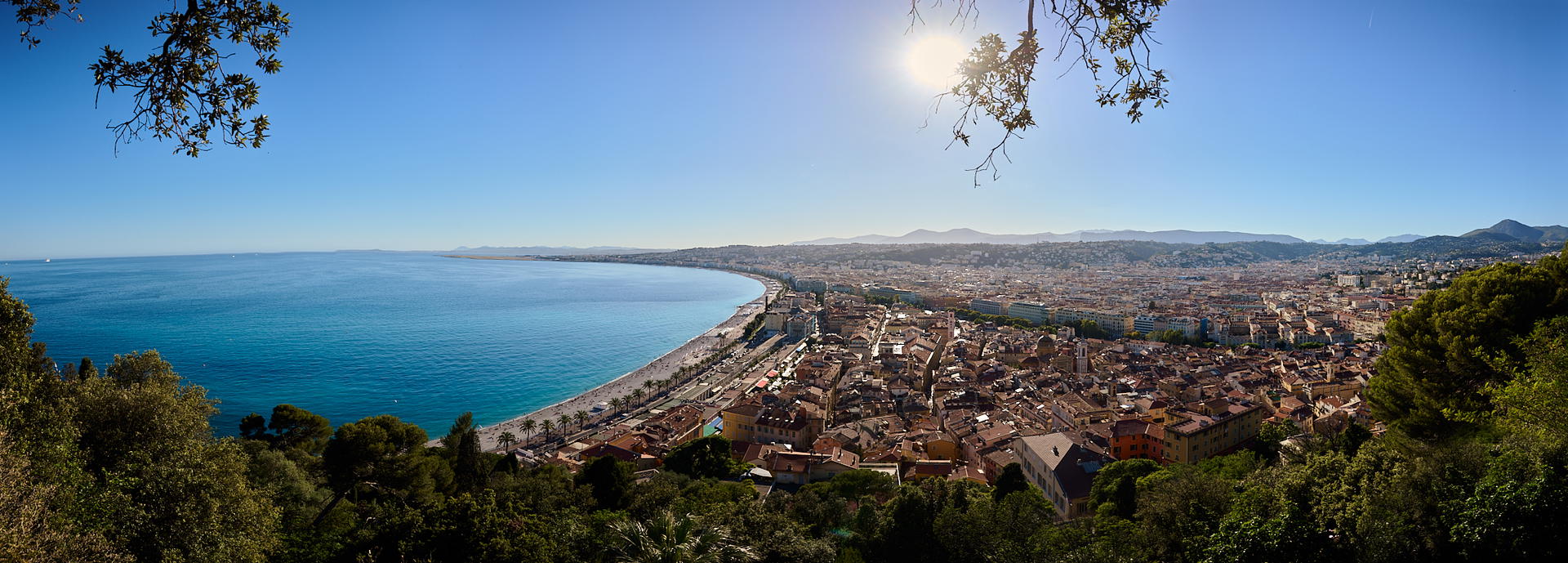
🇫🇷 Nice