
Warsaw's double Life – between history and high-rises
After changing our plans due to the rainy forecast in Masuria, we found ourselves in the Polish capital.
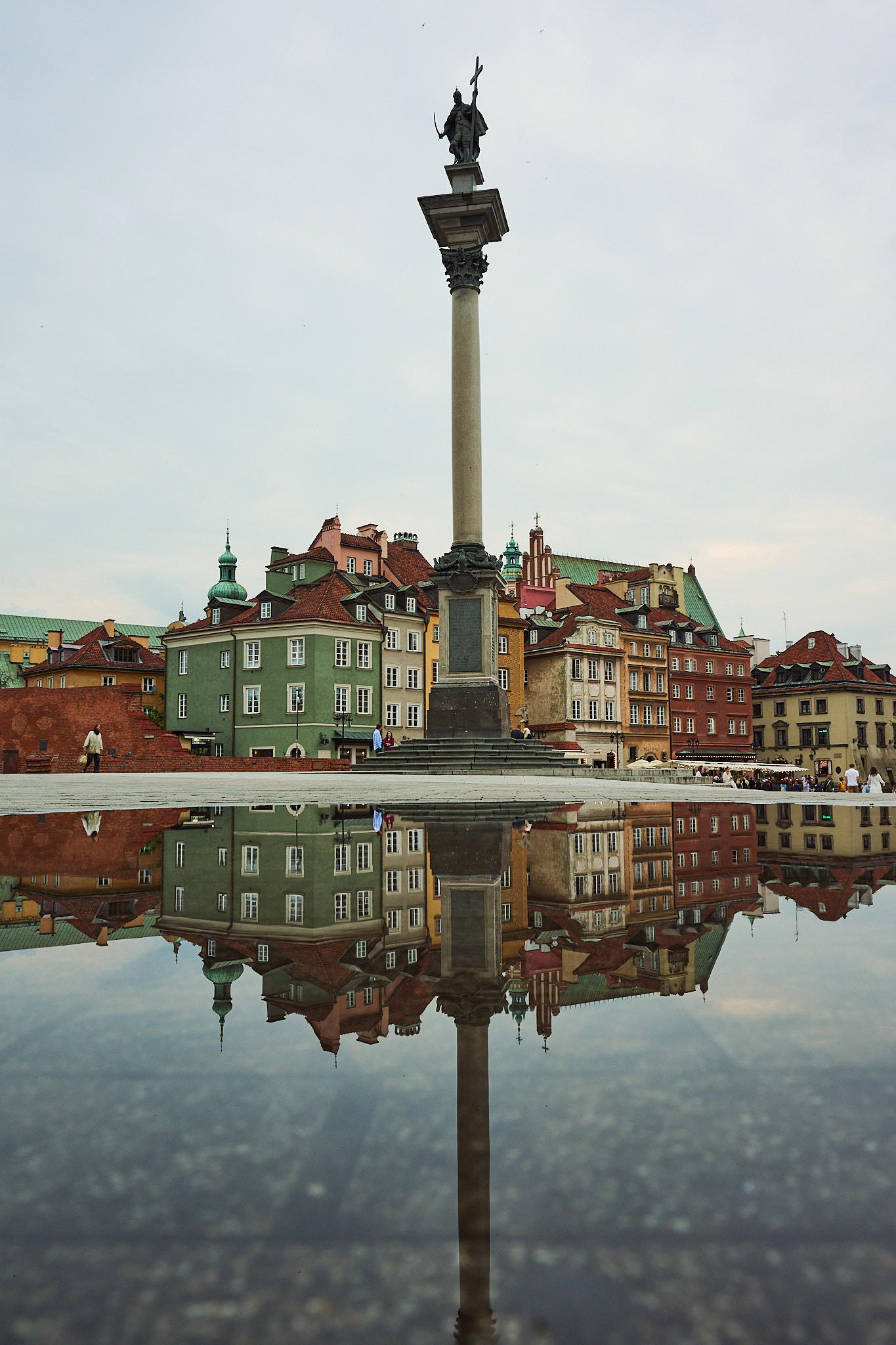
We explored the colourful old town with its historic charm. As we walked through its lively squares and streets, we could feel the history.
What's especially impressive: just like in Gdańsk, much of Warsaw's old town was rebuilt after being almost completely destroyed during World War II. Using old photographs, paintings, and architectural plans, the city managed to restore its historic heart with such an attention to detail and so close to the original layout that it's recognized as a UNESCO World Heritage Site. Not for its age, but for the extraordinary reconstruction effort.
And, of course, wherever there's an old town, there's usually a new town not far away. Stepping into Warsaw's new town was like entering a completely different world: Wide streets, towering glass buildings, modern storefronts and a checkers street layout. It reminded us a little of Manhattan albeit not as busy.
At times though, it honestly felt more like an American city than a European capital. The Palace of Culture and Science reminded us of a mini version of the Empire State Building. Standing tall it is a very powerful building amidst the new modern world.
Warsaw is also a city of knowledge and discovery. The University of Warsaw, founded in 1816, is not only one of the city's most impressive buildings, but also one of Poland's top academic institutions. Over the centuries, it's been home to many brilliant minds, including Nobel prize winner Marie Skłodowska-Curie, who studied here long before she changed the world of science forever.
The contrast between old and new is what makes Warsaw so fascinating. And even though Warsaw wasn't originally on our agenda, we're glad we stopped there. It offered us a different perspective on Poland and added an unexpected dimension to our travels.